
Transforming Your Space: The 70-20-10 Rule for Affordable Design
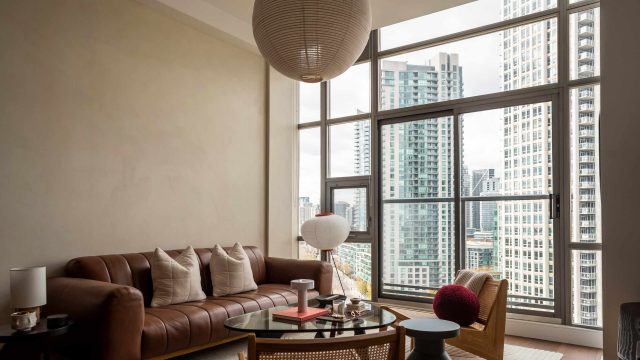
Understanding the 70-20-10 Rule
The 70-20-10 rule is a popular design guideline that helps individuals balance colors, materials, and styles within their home decor. By following this formula, you can create visually appealing spaces that look sophisticated without breaking the bank. This method divides your decor elements into three categories:
- 70% Dominant Color: This is the primary color used in your space. It sets the tone and creates a cohesive environment.
- 20% Secondary Color: This color complements the dominant shade and adds depth to the design.
- 10% Accent Color: The touch of contrast that brings excitement and highlights specific areas or decor pieces.
Why This Matters Now
In the current economic climate, many are looking for ways to refresh their homes while being mindful of their budgets. The 70-20-10 rule not only provides a structured approach to decorating but also encourages sustainable choices. Here are key insights into its significance:
Adapting to Economic Changes
As costs rise, especially in the furniture and decor sectors, the need for smart spending is paramount. The 70-20-10 rule allows you to mix high-quality with more affordable pieces effectively, ensuring your space feels curated without overspending.
Enhancing Aesthetic Appeal
This rule promotes a professional look, which can elevate your home's overall aesthetic. A well-balanced design will reflect your personality and style, making your living space not just functional but also inviting.
Practical Tips for Applying the 70-20-10 Rule
Here are actionable tips to successfully implement the 70-20-10 rule in your home:
- Choose Your Dominant Color Wisely: Select a neutral tone that will work well with various decor items and seasonal changes.
- Accessorize with Secondary and Accent Colors: Use cushions, artworks, and decorative items that incorporate your secondary and accent colors.
- Invest in Quality Key Pieces: Allocate your budget by spending more on essential furniture that will withstand the test of time.
- Mix Materials: Combine textures such as wood, metal, and fabric within your dominant and secondary colors for added depth.
Key Takeaways
- The 70-20-10 rule helps create a balanced and harmonious space.
- Current economic conditions make budget-friendly designs essential.
- Smart investments in decor lead to long-lasting appeal.
- Mixing high and low-end items can enhance aesthetic value.
- Focus on neutrals for dominant colors, allowing flexibility.
Frequently Asked Questions
What is the 70-20-10 rule?
The 70-20-10 rule is a guideline for decorating that suggests using 70% of a dominant color, 20% of a secondary color, and 10% of an accent color.
How can I make my space look expensive on a budget?
By mixing high-quality statement pieces with more affordable decor, you can achieve an upscale look without excessive spending.
Where should I start when applying the 70-20-10 rule?
Begin by selecting your dominant color, then choose complementary secondary and accent colors to enhance your overall design.
Can I use this rule in any room?
Yes, the 70-20-10 rule is versatile and can be adapted for any room, including living rooms, bedrooms, and kitchens.
Why is it important to balance colors in home design?
Balanced colors create a cohesive look, enhance the flow of a space, and contribute to a calming atmosphere.
 Why Partnering with a Trusted
The Global Trade Landscape: In
Navigating Challenges in the B
Unlocking B2B Opportunities in
Why Partnering with a Trusted
The Global Trade Landscape: In
Navigating Challenges in the B
Unlocking B2B Opportunities in