
Why 80s Bathroom Trends Are Making a Splash in Modern Design
Key Takeaways
- 1980s bathroom styles are making a modern comeback.
- Characteristics include bold colors and luxurious materials.
- This trend reflects a broader desire for personalization in home design.
- Homeowners opt for retro features to add character to spaces.
- Regional markets, including Southeast Asia, are embracing these styles.
The Bold Comeback of 80s Aesthetics
The 1980s were a decade known for its extravagant design choices, and today’s homeowners are increasingly embracing these styles in their bathrooms. With a boom in home renovation and decor projects, many are looking to inject personality and flair into their spaces. This resurgence is not just about nostalgia; it signifies a desire for uniqueness in an era dominated by minimalist trends.
Characteristics of 80s Bathroom Trends
Examining the elements that defined the 1980s bathroom aesthetic reveals why they are making a comeback:
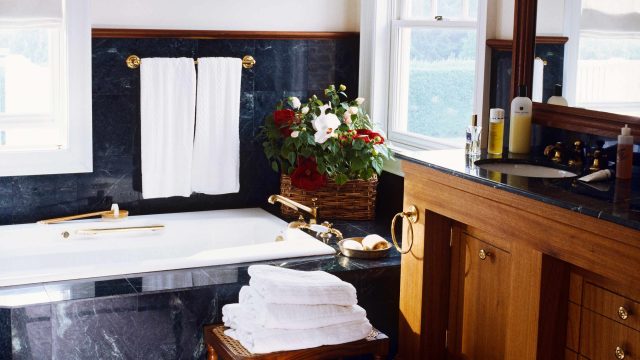
- Bold Color Palettes: Bright colors such as fuchsia, teal, and rich blacks were prevalent. These shades are now being reintroduced to liven up contemporary bathrooms.
- Luxurious Materials: Use of high-end materials like marble, brass fixtures, and glass tiles contributed to the glam. Home designers are revisiting these tactile experiences.
- Unique Fixtures: Sinks and bathtubs with unconventional designs were a staple; today, unique basins and statement bathtubs are back in vogue.
- Textured Accents: The addition of textures, such as glass blocks and wallpaper, adds depth to the design, appealing to those seeking a more dynamic space.
Understanding the Appeal of Retro Design
Why are homeowners drawn to the bold aesthetics of the 1980s today? The answer lies in a blend of nostalgia and a quest for personal expression. As many people spent considerable time at home during the pandemic, they turned to their living spaces for comfort and creativity.
Personalization in Home Decor
In modern home design, personalization is key. The over-the-top style of the 80s allows homeowners to showcase their individuality more than neutral tones ever could. The vibrant choices offer a playful take that contrasts sharply with contemporary minimalist trends.
Regional Influences in Southeast Asia
In Southeast Asia, particularly in markets like Indonesia, the allure of 80s design styles is gaining traction. Cities like Jakarta and Surabaya are seeing a rise in home renovations that embrace these bold aesthetics. Bali’s luxury resorts have started reintroducing 80s-inspired design elements to attract tourists seeking unique experiences.
Tips for Incorporating 80s Trends in Your Bathroom
If you're considering infusing some retro flair into your bathroom, here are a few tips to get you started:
- Start with a Statement Piece: Choose a bold-colored bathtub or vanity as your focal point.
- Mix and Match: Combine bright accents with neutral backdrops to avoid overwhelming the space.
- Accessorize Wisely: Use vintage fixtures and decor items to enhance the retro atmosphere.
- Consider Texture: Add glass block walls or patterned tiles to create visual interest.
Conclusion
The bold design trends of the 1980s are not just relics of the past; they are making a statement in today’s bathroom designs. As homeowners seek to personalize their living spaces, the vibrant colors, luxurious materials, and unique fixtures of the 80s provide a perfect avenue for self-expression. Embracing these styles can add both character and nostalgia to modern homes, proving that sometimes, the past has a significant role in shaping the future.
 Building Global Partnerships:
Innovative Tea Products Revolu
Understanding the B2B Wholesal
Unlocking Global Trade: How Qu
Building Global Partnerships:
Innovative Tea Products Revolu
Understanding the B2B Wholesal
Unlocking Global Trade: How Qu