
Elevate Your Space: Innovative Loft Bedroom Designs for Modern Living
Key Takeaways
- Loft bedrooms maximize vertical space in small homes.
- Creative designs enhance functionality and comfort.
- These spaces are ideal for urban living in Southeast Asia.
- Innovative styles cater to diverse aesthetic preferences.
- Loft designs promote better organization and space usage.
Introduction
In an era where urban living often means sacrificing space for convenience, loft bedrooms have emerged as a stylish solution for maximizing limited square footage. These elevated sleeping areas not only provide a unique aesthetic but also optimize the use of vertical space, making them perfect for modern dwellings. As cities like Jakarta, Surabaya, and Bali in Indonesia see a boom in real estate, the demand for innovative home designs to accommodate smaller living areas is at an all-time high. This article explores how loft bedrooms are transforming the way we think about small-space living.
Redefining Space with Loft Bedrooms
Loft bedrooms serve as a testament to innovative design. By elevating the bed and utilizing the space beneath for storage, work, or recreation, homeowners can create a multifunctional environment that caters to diverse needs. This approach is crucial in Southeast Asia, particularly in densely populated cities where every square meter counts.
Maximizing Vertical Space
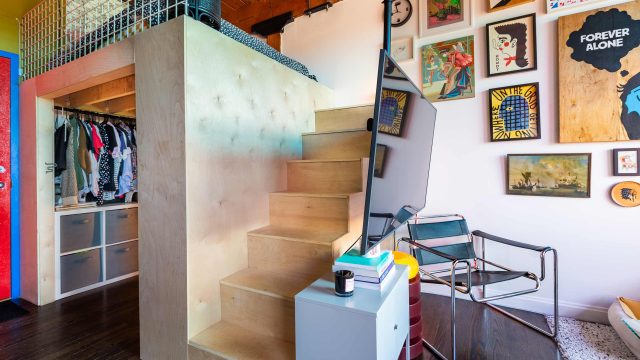
One of the primary benefits of loft bedrooms is their ability to make use of vertical space effectively. Traditional designs often overlook this potential, leading to wasted areas that could otherwise be functional. By raising the sleeping area, homeowners can incorporate shelving, closets, or even a small desk underneath, ensuring that no space goes unused.
Creating a Cozy Atmosphere
While loft bedrooms are typically associated with modern aesthetics, they can also be designed to be warm and inviting. Incorporating soft lighting, plush bedding, and personal touches like artwork can transform a minimalist loft into a cozy sanctuary. Homeowners can experiment with different materials and color schemes to evoke a sense of comfort and relaxation.
Trends and Inspiration
As interest in loft bedroom designs grows, so do the trends associated with them. Homeowners are increasingly looking for sustainable materials and eco-friendly design choices. This shift is particularly evident in Southeast Asia, where sustainability is becoming a priority for many. Not only does this approach benefit the environment, but it also adds a unique character to the space.
Incorporating Local Elements
Many designs now emphasize the incorporation of local materials and craftsmanship. In Indonesia, for example, bamboo and reclaimed wood are popular choices for loft constructions. These materials not only enhance the aesthetic appeal but also connect the living space to its geographical and cultural roots.
Embracing Multifunctionality
As lifestyles evolve, so do the functionalities of our living spaces. Loft bedrooms are increasingly designed to adapt to various needs. Whether it's a guest room, a workspace, or a relaxing retreat, these spaces can easily be reconfigured. This versatility makes them particularly appealing to younger homeowners and urban dwellers who value adaptability.
Conclusion
Loft bedrooms are more than just a trend; they represent a shift towards thoughtful, efficient living in urban environments. As cities like Jakarta and Surabaya continue to expand, the need for innovative space solutions becomes increasingly urgent. Designing a loft bedroom is not only about aesthetics; it’s about embracing a lifestyle that values both comfort and utility. By incorporating local materials and innovative designs, homeowners can create spaces that are uniquely reflective of their identities while maximizing the potential of their homes. For those looking to transform their small spaces, loft bedrooms present a compelling solution that promotes both style and functionality.
 Unleashing Global Flavors: The
Sustainable Sourcing in Tea Ma
Transforming Global Trade: The
Innovative Beverage Solutions:
Unleashing Global Flavors: The
Sustainable Sourcing in Tea Ma
Transforming Global Trade: The
Innovative Beverage Solutions: