
Reflecting on Resilience: A Look Back at Hurricane Earl's Impact
Key Takeaways
- Hurricane Earl struck St. Thomas in 2010, leaving a significant impact.
- The community has displayed remarkable recovery and resilience since the disaster.
- Lessons from Earl inform current disaster preparedness strategies in the region.
- Local initiatives focus on improving infrastructure to withstand future storms.
- Community engagement is vital for effective recovery and future resilience.
A Snapshot of Hurricane Earl's Impact
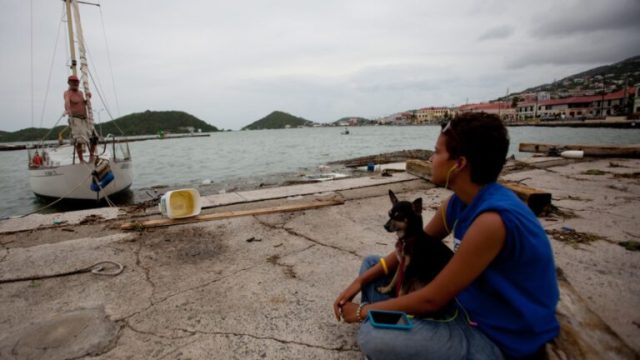
On August 31, 2010, Hurricane Earl made its presence known, bringing winds and rain that disrupted lives across St. Thomas. The aftermath was characterized by debris scattered along the waterfront and significant challenges to local infrastructure. This hurricane is a reminder of the vulnerability of islands in the Caribbean, especially as climate change continues to amplify storm intensity.
The impact of Hurricane Earl was not just physical; it also left emotional scars on the residents. Many, like Andy Evans, were forced to confront the reality of loss, as homes, businesses, and cherished possessions were swept away. The scene on the Charlotte Amalie waterfront was a stark portrayal of nature's force, littered with remnants of a once-thriving community.
Community Resilience and Recovery Efforts
The spirit of St. Thomas has always been one of resilience. Following Earl, the island's residents rallied together, showcasing a strong sense of community. Local organizations and government agencies worked tirelessly to repair damage and restore services, emphasizing the importance of collaboration in recovery efforts.
Building Back Better
One of the key lessons learned from Hurricane Earl is the necessity of building back better. In the years following the disaster, initiatives have been launched to improve infrastructure, such as enhancing drainage systems and reinforcing buildings against future storms. These efforts are critical as the region faces increasing threats from hurricanes.
Community Engagement in Recovery
Stakeholder engagement has been pivotal in recovery processes. Involving local residents in planning and decision-making ensures that the needs and insights of the community are prioritized. Programs have been established to educate residents on disaster preparedness, fostering a culture of awareness and proactive measures.
Lessons for Future Preparedness
As we reflect on Hurricane Earl and its impacts, it is essential to apply the lessons learned to future disaster preparedness strategies. The importance of early warning systems, effective communication, and coordinated response plans cannot be overstated. For the residents of St. Thomas, the memories of Hurricane Earl serve as a reminder of both vulnerability and strength.
Emphasizing Climate Resilience
The increasing frequency of severe weather events necessitates a shift in how communities in Southeast Asia, including Indonesia and other ASEAN nations, approach disaster risk management. Climate adaptation strategies must be integrated into urban planning to ensure resilience against future hurricanes and other natural disasters.
Engaging the Next Generation
Educating the younger population about the importance of disaster preparedness is essential for long-term resilience. Schools and community programs are collaborating to instill knowledge about emergency response and environmental stewardship, ensuring that future generations are better equipped to handle crises.
Conclusion: Looking Towards the Future
As we remember the impact of Hurricane Earl on St. Thomas, it is evident that resilience is built on the lessons of the past. The island's recovery journey offers valuable insights for other regions facing similar challenges. By prioritizing community engagement and sustainable development, St. Thomas can serve as a model of resilience for future disaster preparedness in the Caribbean and beyond.
 Global Beverage Trends: How Qu
The Future of Beverage Exports
Global Beverage Trade: Navigat
Navigating the Global Beverage
Global Beverage Trends: How Qu
The Future of Beverage Exports
Global Beverage Trade: Navigat
Navigating the Global Beverage