
Transforming Small Spaces: Innovative Design Strategies for Tiny Homes
Key Takeaways
- Smart storage solutions can enhance space efficiency.
- Custom millwork offers tailored design features.
- Natural materials create a sense of warmth and continuity.
- Maximizing vertical space can open up floor layouts.
- Personal touches make small homes feel inviting and unique.
Maximizing Space in Small Homes
In today's real estate climate, particularly in urban areas, compact living has become increasingly relevant. As the demand for affordable housing rises, cities like Jakarta, Surabaya, and Bali are witnessing a surge in interest for tiny homes and innovative space design. Understanding how to creatively utilize available space is essential for homeowners and designers alike.
Clever Design Strategies
Renovating a small home goes beyond mere aesthetics; it’s about ingenuity. Here are some strategies that can help transform a compact space into a functionality-rich home:
1. Custom Storage Solutions
In small homes, every square foot counts. Utilizing custom-built furniture can serve dual purposes. Think beds with drawers beneath or couches that convert into sleeping spaces. Such features not only save room but can also be styled to match the home's decor, enhancing its overall appeal.
2. Utilizing Vertical Space
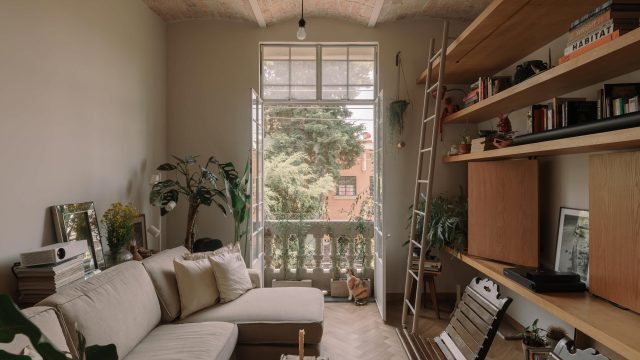
When square footage is limited, look upwards. Installing shelving high above or using wall-mounted fixtures can draw the eye upward, creating an illusion of height. This technique is particularly favored in dense urban environments where floor space is scarce.
3. Choosing Natural Materials
Incorporating natural materials like wood and stone can enrich interior spaces. They add texture and warmth, making areas feel more expansive and inviting. For instance, volcanic stone use has historic ties to regions such as Mexico, reflecting cultural significance and architectural prowess.
Bringing Personality into Compact Spaces
While optimizing space is critical, it is equally important that a tiny home reflects the personality of its inhabitants. Here’s how you can showcase individuality even within limited square footage:
1. Personal Decor
Art, photos, and handmade items can bring character to small spaces. Choose a few significant pieces that tell a story about you or your travels. This personalization can make even the smallest of homes feel warm and welcoming.
2. Color Schemes
A well-thought-out color palette can influence how spacious a home feels. Lighter tones create an airy atmosphere, while darker hues can add depth and coziness. Mixing textures can also add visual interest without crowding the space.
3. Flexible Furniture
Furniture that can be easily moved or reconfigured is essential in a tiny home. Opt for pieces that serve multiple functions or can be stored away when not in use. Modular sofas or extendable dining tables can adapt to various needs, making them ideal for small living.
Conclusion
As more people seek practical yet stylish living solutions, the importance of innovative design in tiny homes cannot be overstated. By implementing these strategies, homeowners in Southeast Asia can make the most of their compact spaces. Whether through custom storage, utilizing vertical areas, or choosing natural materials, transforming your tiny home can lead to a more fulfilling living experience. Now is the time to rethink your space and embrace the art of small living!
 Connecting Global Tea Lovers:
From Farm to Table: The Journe
The Rise of Specialty Beverage
The Future of Beverage Exports
Connecting Global Tea Lovers:
From Farm to Table: The Journe
The Rise of Specialty Beverage
The Future of Beverage Exports