
Iran's Strategic Maneuvers in the Strait of Hormuz: Implications for Global Shipping | demo gates of, mayasi
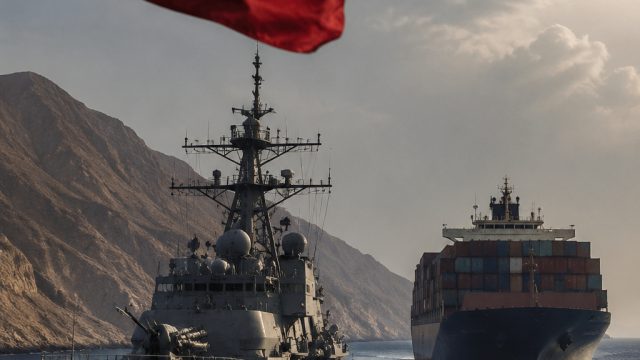
The Strait of Hormuz, a crucial maritime passage for global oil transport, is once again at the center of international attention as Iran asserts its influence in the region. With tensions escalating and shipping traffic fluctuating, it is imperative to understand the current developments and their potential implications for global trade.
Current Situation in the Strait of Hormuz
Iran has recently reiterated its control over the Strait of Hormuz, a waterway that serves as a conduit for roughly 20% of the world’s oil supply. As shipping traffic gradually increases, the Iranian government has made statements suggesting that any disruptions could continue until certain geopolitical conditions are met. This has raised concerns among global shipping companies and energy markets alike.
Increased Traffic but Persistent Challenges
While the volume of ships navigating through the Strait has seen a modest uptick, it remains well below the levels observed before recent conflicts in the region. This stagnation reflects not only the lingering fears of instability but also the broader economic impacts of the Iranian government's actions.
- Safety concerns: Many shipping companies are cautious about routing vessels through the Strait, factoring in the risk of potential confrontations.
- Increased insurance costs: Due to perceived threats, insurance premiums for ships operating in the region have surged.
- Impact on oil prices: Fluctuations in shipping traffic often correlate with changes in global oil prices, creating further instability in markets.
Iran's Strategic Messaging
The Iranian government has been vocal about its stance on the Strait, leveraging it as a tool for both domestic and international messaging. State-run media outlets have described the situation in the Strait as a measure of national sovereignty and have linked it to broader regional conflicts.
The Role of Media in Shaping Perception
Media narratives play a significant role in influencing public perception and policy decisions regarding the Strait. Reports from various news agencies indicate that Iran's approach is designed not only to assert control but also to garner support domestically amidst external pressures.
Implications for Global Trade and Energy Markets
The situation in the Strait has far-reaching consequences for global trade and energy markets. As countries around the world rely heavily on the petroleum that passes through these waters, any disruption could have ripple effects across economies.
Potential Economic Ramifications
Should Iran maintain or escalate its control over the Strait, the following effects could be anticipated:
- Supply Chain Disruptions: Any uncertainty could lead to delays in shipments, affecting various industries reliant on timely deliveries.
- Market Volatility: Energy prices may experience significant fluctuations, impacting everything from transportation costs to consumer prices.
- Long-term Trade Adjustments: Countries may begin to seek alternative routes or sources for energy supplies, which could alter trade dynamics in the long run.
Geopolitical Stakes and International Responses
The international community is closely monitoring Iran's actions in the Strait of Hormuz. Countries heavily dependent on oil imports are particularly concerned about potential escalations. Diplomatic negotiations and alliances may shift as nations seek to secure their interests amidst changing geopolitical landscapes.
Conclusion: A Critical Moment for Global Shipping
As Iran continues to assert its influence over the Strait of Hormuz, the implications for global shipping and energy markets are profound. Companies involved in international trade must remain vigilant, adapting to an environment where geopolitical tensions can influence economic stability at any moment. Keeping informed about developments in this strategic waterway will be crucial for stakeholders navigating the complexities of global commerce.
Industry Partner Network
 Boost Your Business: The Rise
Emerging Markets for Exporting
The Global B2B Beverage Market
Revolutionizing Global Tea Tra
Boost Your Business: The Rise
Emerging Markets for Exporting
The Global B2B Beverage Market
Revolutionizing Global Tea Tra