
Innovative Living: How Families Are Maximizing Small Spaces
Key Takeaways
- Innovative designs optimize space for family needs.
- Smart furniture enhances functionality in small areas.
- Families prioritize comfort and privacy in cramped environments.
- Urban living encourages creative problem-solving for space constraints.
- Current trends emphasize multi-functional spaces for efficiency.
The Rise of Space-Savvy Living in Urban Areas
As urban populations swell, families are facing the challenge of adapting to increasingly limited living spaces. The trend is particularly palpable in cities like Jakarta, Bali, and Surabaya where real estate prices soar. Families are now more than ever investing in innovative design solutions that maximize the utility of every square foot in their homes. This shift not only caters to their immediate needs but also reflects a growing understanding of sustainable living practices.
Creative Solutions for Family Living
One of the most effective ways families are optimizing their small living environments is through the use of multi-functional furniture. This approach allows for maximizing the available space while maintaining comfort. Here are some popular trends:
- Convertible Furniture: Sofas that transform into beds or dining tables that fold away can free up valuable space.
- Vertical Storage: Utilizing wall space for shelves and storage units helps declutter living areas.
- Room Dividers: To create private spaces, families are employing portable dividers, allowing for designated areas for kids and adults.
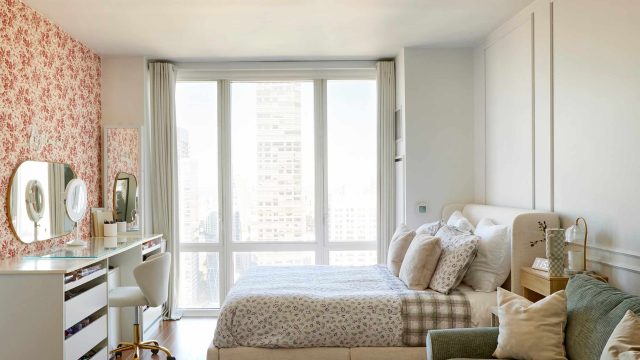
- Smart Use of Color and Light: Lighter hues and strategic lighting can make small areas feel larger and more open.
Importance of Adaptability in Design
In a city like Jakarta, where many families live in apartments with limited floor area, adaptability in design becomes crucial. Families are finding ways to create distinct zones for sleeping, studying, and leisure—all within a compact arrangement. By doing this, they not only enhance their quality of life but also cultivate a sense of personal space that is often difficult to achieve in more cramped conditions.
The Impact of Urbanization on Family Living
Urbanization is significantly reshaping the way families interact with their living spaces. As cities expand, the demand for affordable housing has led to the proliferation of smaller apartments. In response, families are becoming increasingly resourceful, leveraging technology and modern design trends to create harmonious living environments. With Southeast Asia leading in urban growth, innovative approaches to living arrangements are becoming the norm.
Utilizing Technology for Efficient Living
In addition to physical adaptations, technology plays a vital role in optimizing small living spaces. Smart home devices can assist in managing environmental factors, from lighting to climate control, making it easier for families to maintain a comfortable atmosphere without compromising on space. The integration of such technology not only improves daily living experiences but also encourages energy efficiency, an essential consideration for modern urban dwellers.
Conclusion: Redefining Family Living in Urban Environments
As urban areas continue to evolve, families are proving that creativity and adaptability are key to thriving in smaller living spaces. By embracing innovative solutions, they ensure that their homes remain functional and inviting. The trend of maximizing small spaces is spreading across the globe, inspiring others to rethink their living environments. As Southeast Asia continues to grow, it will be exciting to see how these trends shape the future of urban family living.
 Navigating the Future of B2B T
Revitalizing Global Trade: The
Crafting Success: How Tea Manu
Navigating B2B Trade: The Esse
Navigating the Future of B2B T
Revitalizing Global Trade: The
Crafting Success: How Tea Manu
Navigating B2B Trade: The Esse