
Navigating Climate Change: The Urgent Need for Funding in High-Risk Areas
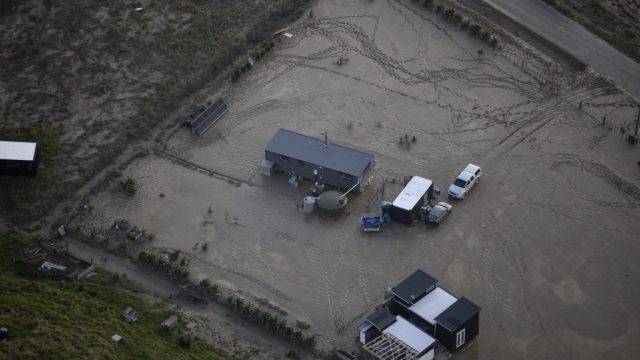
Key Takeaways
- High-risk hazard zones require immediate funding for effective climate adaptation.
- Recent legislation mandates planning but leaves financial aspects vague.
- Managed retreat strategies are essential for vulnerable regions.
- Local councils face challenges in securing necessary funding.
- The Southeast Asian market, particularly Indonesia, must prioritize climate resilience.
The Current Landscape of Climate Adaptation
As climate change continues to escalate, governments worldwide are being compelled to adapt their infrastructure and community planning to meet new environmental realities. In particular, new climate legislation is urging local councils to strategize their responses to high-risk hazard zones. While the intent of these regulations is clear, the absence of a defined funding mechanism creates a significant barrier to effective implementation.
In places like Southeast Asia, including crucial markets such as Indonesia, councils are grappling with the dual challenge of climate adaptation and fiscal limitations. Major cities like Jakarta, Surabaya, and Bali are on the front lines of climate change impacts, making it imperative to explore innovative funding avenues to back adaptation efforts.
Legislation vs. Financial Solutions
The recent climate legislation is a step forward, pushing planners to address high-risk areas that face imminent threats from rising sea levels, increased flooding, and natural disasters. However, without a clear path to obtaining financial resources, the effectiveness of these plans is jeopardized.
Local governments are often left to navigate a complex maze of funding sources, from federal grants to private investments, all while needing to prioritize quick action. The question remains: how can local councils effectively finance their climate adaptation strategies amidst these regulatory challenges?
Exploring Managed Retreat
Among the potential solutions emerging in discussions is the concept of managed retreat—a strategic withdrawal from high-risk areas to safer locations. Managed retreat is crucial in regions where the cost of adapting existing infrastructure exceeds the potential damages incurred from climate impacts.
To implement successful managed retreat strategies, substantial financial backing is essential. Local councils must develop realistic budgets, demonstrating how funds will be allocated to relocate communities and support sustainable development in safer areas.
Local Challenges in the Indonesian Context
The Indonesian market, particularly in cities like Jakarta and Bali, faces unique challenges. Rapid urbanization and population growth exacerbate vulnerabilities, making proactive climate adaptation even more crucial. However, these regions often encounter difficulties in securing sufficient financial support for their initiatives.
Furthermore, local governments require a comprehensive understanding of both climate science and economic implications to engage stakeholders effectively. This means not only planning for climate hazards but also aligning those plans with the economic realities of these regions, ensuring that community needs are met without compromising environmental sustainability.
Looking Forward: The Importance of Collaboration
Achieving successful climate adaptation necessitates collaboration between various entities, including governmental bodies, private sectors, and community organizations. By fostering partnerships, local councils can pool resources, share knowledge, and leverage financial mechanisms that may otherwise remain untapped.
Moreover, Southeast Asia stands to benefit from regional cooperation within ASEAN to address climate change collectively. By sharing best practices and financial strategies, these countries can create a unified approach to adaptation that not only protects their communities but also enhances resilience across the entire region.
Conclusion: The Need for Action
The implications of climate change are profound, affecting millions of lives in high-risk areas around the world. As countries prepare to implement new climate legislation, the importance of addressing funding gaps cannot be overstated. Without adequate financial resources, the plans set forth by local councils may remain just that—plans, devoid of real-world impact.
Now is the time for action. Stakeholders must recognize the urgency of securing sustainable funding for climate adaptation efforts, especially in regions most vulnerable to climate impacts. As Southeast Asia, particularly Indonesia, navigates these challenges, the lessons learned can provide a roadmap for effective climate resilience strategies that prioritize both people and the planet.
 Brewing Success: How Quastivo
Thriving in the Global Market:
Navigating B2B Tea Sales: Stra
Exploring the Global Market: T
Brewing Success: How Quastivo
Thriving in the Global Market:
Navigating B2B Tea Sales: Stra
Exploring the Global Market: T