
The Rise of Soft Architecture: Transforming Modern Spaces
Key Takeaways
- Soft architecture focuses on comfort and inviting designs.
- It promotes a shift from rigid structures to fluid spaces.
- Current trends prioritize mental well-being in home design.
- This movement is particularly noticeable in urban areas like Jakarta and Bali.
- Soft elements in architecture encourage community connections.
The Shift Towards Comfort in Design
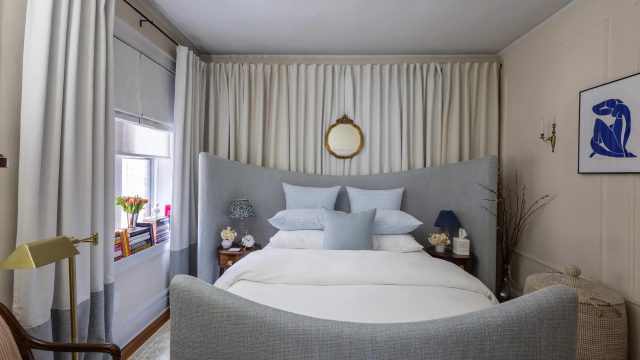
The concept of soft architecture is gaining momentum as homeowners and designers alike prioritize comfort and warmth in their living spaces. As we navigate a world that increasingly values mental wellness, the design community is responding by creating environments that reflect a softer, more inviting aesthetic. This trend is not just a passing phase; it signifies a profound change in how we view our living spaces, emphasizing a break from traditional hard lines and structures.
Soft architecture advocates for environments that reduce stress and promote relaxation. In bustling urban centers like Jakarta and Surabaya, where the pace of life can be overwhelming, this approach is especially relevant. Designers are now focusing on rounded shapes, natural materials, and multi-functional spaces that enhance comfort while also being aesthetically pleasing.
Embracing Natural Elements
One of the hallmarks of soft architecture is its integration of natural elements into design. Wood, stone, and textiles are now essential components that help create a soothing atmosphere. For example, walls adorned with warm wooden panels or living rooms filled with soft, cozy textiles can drastically change the mood of a space.
In Southeast Asia, the influence of traditional design principles that celebrate nature is being woven into modern architecture. This blend not only respects cultural heritage but also caters to contemporary needs for comfort and functionality. As a result, homes now feature open layouts that connect indoor and outdoor living, allowing for a seamless flow and an inviting environment.
The Emotional Impact of Design
The emotional benefits of soft architecture are becoming increasingly acknowledged. Experts argue that our surroundings significantly influence our mental state. Spaces that are designed with soft edges and natural materials can lead to lower stress levels and improved moods.
This is particularly significant in the Indonesian market, where climate and lifestyle play a crucial role in how space is utilized. By creating homes that emphasize comfort and softness, designers are not only meeting aesthetic demands but also enhancing the quality of life for residents.
Trends in Soft Architecture
As we look ahead to 2026, it’s clear that the soft architecture trend shows no signs of slowing down. Many are adopting this philosophy, leading to various innovative designs. Here are some key trends to watch:
- Curved furniture and fixtures that create a sense of flow.
- Soft color palettes that promote serenity and calm.
- Sustainable materials that enhance the cozy aesthetic.
- Spaces designed for community gatherings and connections.
The Role of Technology
Technology also plays a pivotal role in this architectural shift. Smart home devices are being integrated into soft designs, allowing for seamless control of lighting and temperature, further enhancing comfort. This harmony between technology and soft architecture is appealing to younger generations who seek functionality without sacrificing aesthetics.
Conclusion: A Need for Softness
The rise of soft architecture reflects a broader cultural shift towards valuing emotional well-being and comfort in our living spaces. By abandoning the stark and rigid designs of the past, we embrace a more holistic approach to home living. As this trend continues to evolve, it is essential for designers and homeowners to consider how their choices impact not just the physical space but also the emotional health of those who inhabit it.
 Mastering Pantry Organization:
 Sri Lanka's Investment in Ceyl
 Unlocking the Power of Smart H
Revamping the Tea Trade: How Q
Unlocking the Power of Smart H
Revamping the Tea Trade: How Q