
Transforming Urban Spaces: A Stylish Revival of a Classic Apartment
Key Takeaways
- Renovation reveals original wood beams, enhancing aesthetic appeal.
- Custom storage options maximize the apartment's limited space.
- Scandinavian design principles create a warm, inviting atmosphere.
- Incorporating exposed brick adds character to the modern loft.
- Urban living can blend functionality with style seamlessly.
The Transformation Journey
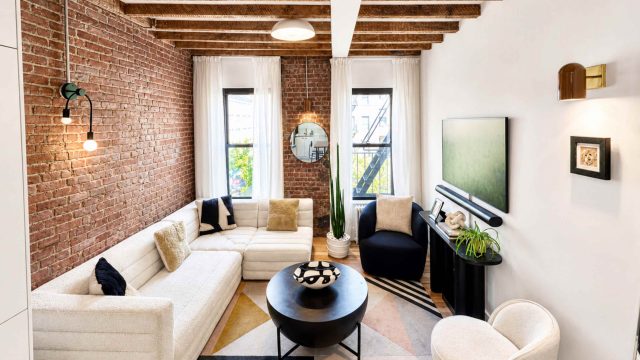
Renovating small urban apartments has become a pressing trend in real estate, particularly in bustling cities like New York. These spaces, often outdated and cramped, are prime candidates for innovative redesigns that can introduce both functionality and elegance. A recent transformation of a modest 600-square-foot apartment in Hell's Kitchen exemplifies this trend. Homeowner Sean Matthew Robinson undertook a remarkable renovation, unveiling long-hidden original wood beams to enhance the apartment's visual appeal.
Uncovering Hidden Potential
The project's most striking feature was the discovery of original beams, which had been concealed for years. By exposing these architectural details, Robinson not only preserved a piece of the apartment's history but also added depth and texture to the overall design. This approach aligns with the current trend of celebrating the raw beauty of a space, combining modern aesthetics with historical elements.
Design Inspirations and Features
The renovation was guided by the principles of Scandinavian design—simplicity, functionality, and minimalism—all of which contribute to a serene living environment. This style is increasingly popular in modern urban settings, where maximizing space is essential. Robinson incorporated a sleek kitchen that features clean lines and efficient layouts, ensuring that the space remains both stylish and practical.
Creating a Cohesive Space
Throughout the apartment, Robinson emphasized a cohesive design that integrates natural materials with contemporary finishes. The living area showcases exposed brick, which not only contrasts beautifully with the modern kitchen but also brings warmth to the space. This thoughtful blend of old and new resonates with current design philosophies that advocate for sustainable and thoughtful renovations.
Final Thoughts on Urban Renovation Trends
The success of this apartment transformation highlights a significant trend in the real estate market, particularly in urban environments like Southeast Asia and major cities including Jakarta and Surabaya. Homeowners are increasingly recognizing the value of renovating older spaces to reflect modern tastes while retaining their inherent charm. As the demand for stylish, functional living spaces grows, it will be interesting to see how urban renovations continue to evolve.
Why This Matters Now
Understanding these renovation trends is crucial, especially for homeowners looking to enhance their living spaces without extensive, costly measures. The shift towards more personalized and functional designs is not just a fad; it's a response to evolving lifestyle needs and the aspiration for harmonious living environments. As urban areas become increasingly crowded, the importance of smartly designed spaces that cater to both aesthetics and utility will only continue to rise.
 Global Trade Trends: The Rise
Navigating B2B Trade in the Gl
The Future of Wholesale Tea: T
Top Trends in the Beverage Exp
Global Trade Trends: The Rise
Navigating B2B Trade in the Gl
The Future of Wholesale Tea: T
Top Trends in the Beverage Exp