
Why Sustainable Food Storage Solutions Matter Today
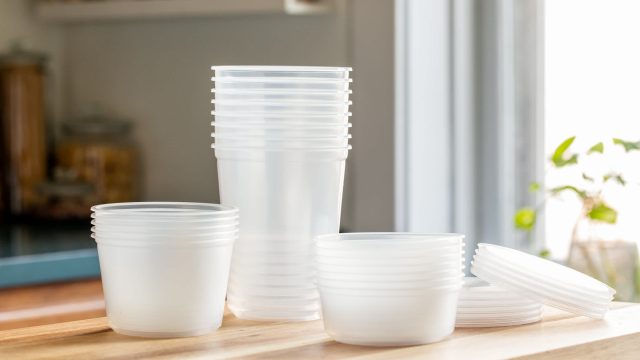
Key Takeaways
- Switching to sustainable food storage reduces plastic waste.
- Nontoxic containers enhance food safety and health.
- Eco-friendly options are readily available online.
- Investing in quality containers saves money long-term.
- Consumer awareness shapes market trends towards sustainability.
The Growing Demand for Sustainable Solutions
As awareness about environmental issues continues to rise, more individuals are shifting towards sustainable practices in their everyday lives. Among these changes, food storage solutions play a vital role. The need for effective, nontoxic containers has reached a critical point, making it essential for consumers to reconsider their choices.
In particular, the food storage market has seen an increase in demand for sustainable options. With a growing number of consumers looking for alternatives to traditional plastic containers, retailers are responding by offering a range of eco-friendly solutions. This shift not only supports environmental conservation but also addresses consumers' health concerns, as many standard plastic containers can leach harmful chemicals into food.
Benefits of Nontoxic Food Storage Containers
Choosing nontoxic food storage containers comes with a multitude of benefits, from health to environmental impact. Here are several reasons why making this switch is essential:
Health Safety
Many conventional plastic containers contain substances like BPA, which can pose health risks. Nontoxic containers are free from these harmful chemicals, ensuring that the food stored inside is safe for consumption.
Environmental Impact
Utilizing sustainable materials helps to reduce the carbon footprint associated with plastic production and disposal. By choosing eco-friendly food storage options, consumers contribute to a decrease in plastic waste in landfills and oceans.
Cost-Effectiveness
Investing in durable, nontoxic containers offers long-term savings. Unlike single-use plastic options, high-quality containers can last for years, reducing the need for frequent purchases.
Versatility
Nontoxic food storage containers come in various shapes and sizes, making them suitable for a wide range of food items. Their versatility allows for better organization and preservation of meals.
Market Shifts in Asia: The Southeast Asian Perspective
The push for sustainable practices is not limited to Western markets; Southeast Asia, particularly countries like Indonesia, is experiencing a similar trend. In major cities such as Jakarta, Surabaya, and Bali, shoppers are increasingly opting for eco-friendly products, including food storage solutions.
Local businesses are also adapting by providing a variety of nontoxic food containers to meet consumer demand. This aligns with the broader ASEAN goals towards sustainability and environmental conservation. As the market evolves, it presents a unique opportunity for consumers to adopt healthier, eco-friendly habits.
How to Transition to Sustainable Food Storage
Making the switch to sustainable food storage can be a straightforward process. Here are practical steps to guide you:
- Assess Your Current Containers: Evaluate your current food storage options and identify plastic items that can be replaced.
- Research Nontoxic Options: Explore various eco-friendly containers available online or in local stores, focusing on materials like glass, stainless steel, or silicone.
- Start Small: Begin with a few essential containers, then gradually replace more of your plastic ware as needed.
- Educate Others: Share your knowledge about sustainable food storage with friends and family to foster a community of eco-conscious consumers.
Conclusion
As we move towards a more sustainable future, the choices we make in everyday items like food storage containers can have significant consequences. By opting for nontoxic, eco-friendly solutions, consumers not only prioritize their health but also contribute to the global effort of reducing plastic waste. It's a simple yet impactful change that everyone can embrace for a greener planet.
 Navigating the Global Beverage
The Future of Tea Exports: Ins
Brewing Success: How Quastivo
Unveiling the Secrets of Succe
Navigating the Global Beverage
The Future of Tea Exports: Ins
Brewing Success: How Quastivo
Unveiling the Secrets of Succe