
Transforming Small Kitchens: Innovative Solutions for Limited Spaces
Key Takeaways
- Effective kitchen renovation can optimize small spaces.
- Light colors create an illusion of openness.
- Functional organization boosts kitchen efficiency.
- Smart lighting enhances visibility and ambiance.
- Minimalist designs prevent overcrowding in small kitchens.
The Art of Space Optimization in Small Kitchens
In today’s fast-paced world, the kitchen often acts as the heart of the home. However, many homeowners, particularly in urban areas like Jakarta and Surabaya, face the challenge of limited space. A recent trend has emerged where innovative design strategies help to maximize small kitchen footprints without the need for extensive renovations. This approach is more relevant than ever as property prices climb, especially in Southeast Asia.
Understanding the Limitations
A cramped kitchen can feel stifling, making meal preparation and entertaining guests cumbersome. Factors like bulky cabinetry, dark finishes, and inefficient layouts contribute to a kitchen's unwelcoming atmosphere. By addressing these issues, homeowners can transform their kitchens into inviting and functional spaces.
Key Strategies for Kitchen Transformation
- Choose Light Colors: Opting for light shades on walls and cabinetry can create an open feeling, making the space appear larger than it is.
- Functional Layouts: Implementing a well-thought-out layout, such as a galley or open-concept design, can enhance flow and accessibility.
- Minimalist Decor: Avoid clutter by selecting a few essential decorative items, which reduces visual noise and creates a more spacious ambiance.
- Smart Storage Solutions: Utilize vertical storage options and multi-functional furniture to maximize available space effectively.
Lighting: A Game Changer
Lighting plays a crucial role in the perception of space. A well-lit kitchen not only enhances functionality but also makes the area more inviting. Consider the following:
Layered Lighting Techniques
Incorporating different types of lighting—ambient, task, and accent—can transform the kitchen environment. For instance, task lighting over work areas and ambient lighting for the overall space can create a harmonious balance that emphasizes openness.
Natural Light Utilization
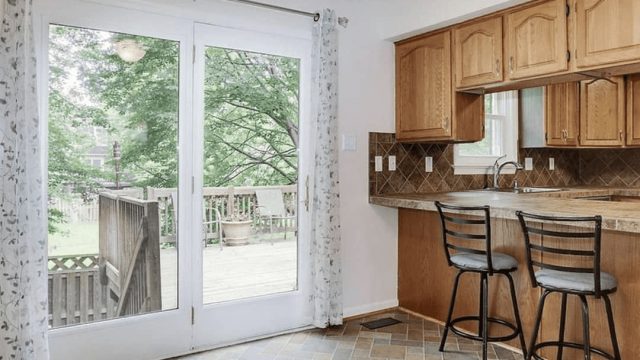
Maximizing natural light can significantly impact how a kitchen feels. Avoid heavy drapery and consider using sheer curtains to let in more light while maintaining privacy. Keeping windows unobstructed can also enhance the overall feel of spaciousness.
Conclusion: Embrace the Change
As the trend of urban living continues to grow, especially in areas like Bali and the Indonesian market, the importance of efficient kitchen design cannot be overstated. Homeowners are encouraged to embrace innovative strategies that optimize their small spaces, turning challenges into delightful cooking and socializing experiences. With thoughtful planning and creative design, even the smallest kitchens can become functional and stylish.
 Revolutionizing Global Trade:
Navigating International Trade
The Rise of Healthy Beverages:
The Rise of Herbal Teas: A Gui
Revolutionizing Global Trade:
Navigating International Trade
The Rise of Healthy Beverages:
The Rise of Herbal Teas: A Gui