
Transforming Your Living Space: A Fresh Perspective on Design
Key Takeaways
- Functionality is as vital as aesthetics in modern living spaces.
- Utilizing built-in furniture can maximize space efficiency.
- Neutral colors offer versatility in design yet can feel uninspiring.
- Combining play and relaxation areas can enhance family interaction.
- Recent trends emphasize personal touches and unique decor.
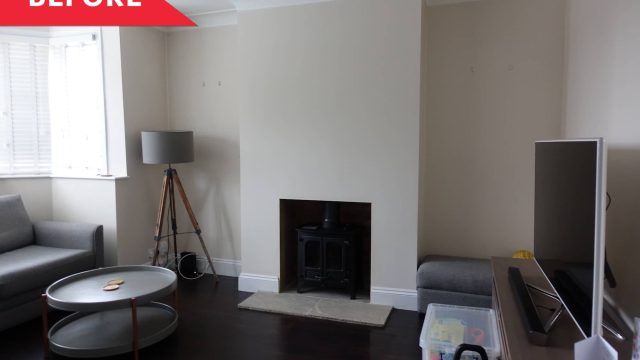
In recent years, homeowners across Southeast Asia, particularly in Indonesia's bustling cities like Jakarta and Surabaya, have begun to rethink their living spaces. An abundance of beige tones and minimalistic designs may have dominated the landscape, but this is rapidly changing as individuals seek to infuse personality into their homes. One insightful transformation comes from Sushma Samonini, who recognized that her previously beige living room, serving as a makeshift living room, playroom, and storage space, was not functioning optimally.
Reevaluating Living Spaces
Many homeowners find that their living rooms can become cluttered and confused, lacking a defined purpose. As Sushma noted, her space had become a dumping ground, lacking clarity and comfort. This realization prompts a vital question: How can we transform these areas into more engaging and functional spaces?
Effective design starts with understanding the needs of your household. Families, especially in regions like Indonesian suburbs, are looking for spaces that cater not only to relaxation but also to interaction. By reassessing the layout and purpose of each area, individuals can create environments that foster connection and creativity.
Maximizing Functionality
One of the key trends in modern design is the integration of built-in furniture. This approach not only saves space but also provides a streamlined aesthetic. For instance, built-in shelves can store toys, books, and decorative items neatly, minimizing visual clutter while enhancing accessibility.
Moreover, homeowners living in smaller apartments or homes can benefit significantly from multi-functional furniture. A coffee table that doubles as a storage unit or a sofa that converts into a bed can maximize the utility of limited space, particularly in densely populated regions like Jakarta and Bali.
Color and Design Choices
While beige may have previously reigned supreme, the current trend leans towards more vibrant and personal colors. Homeowners are exploring bolder palettes that resonate with their individuality, transforming their living rooms into reflections of their personalities. Neutral tones are not being discarded but are instead being complemented with bright accents and unique artworks.
Personal Touches Matter
Incorporating personal elements into design helps create a warm and inviting space. Photographs, handmade crafts, or souvenirs from travels can serve as conversation starters while filling the room with cherished memories. These touches not only beautify the room but also contribute to a more profound sense of belonging.
Why This Shift Matters Now
As we emerge from a period of uncertainty, people are investing more time and resources into their homes. A living room that was once neglected is now viewed as a sanctuary where families come together after long days. The shift towards personalization in home decor signifies a broader cultural movement toward valuing domestic spaces. It is essential for homeowners to understand that their living spaces can significantly impact their well-being and family dynamics.
Statistics indicate that investing in home improvement can lead to enhanced mental health, noting a 20% increase in overall happiness levels among those who engage in such projects. Moreover, the surge in DIY and design content on platforms like Instagram and Pinterest suggests a growing interest in home decor solutions, particularly among younger generations.
Conclusion
Redesigning your living space is not merely about aesthetics; it's about creating a functional environment that promotes connectivity and comfort. As trends evolve and homeowners seek to express their individuality, it is crucial to focus on both form and function. In regions like Southeast Asia, where the urban landscape is constantly shifting, embracing these design principles can lead to homes that are not only beautiful but also profoundly meaningful.
 Elevate Your Business with Qua
The Rise of Global Tea Exports
Innovative Beverage Solutions:
Leveraging B2B Trade Channels
Elevate Your Business with Qua
The Rise of Global Tea Exports
Innovative Beverage Solutions:
Leveraging B2B Trade Channels