
Unlocking Space: Innovative Layouts Transform Small Rentals
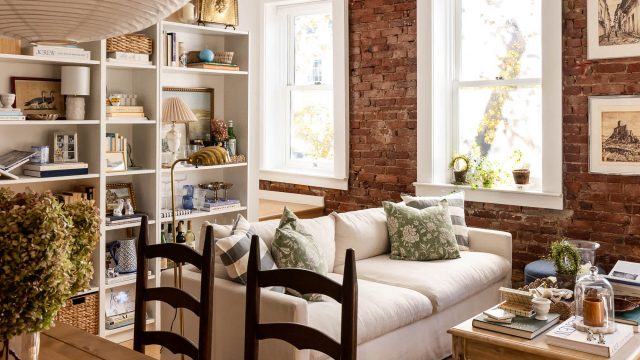
Key Takeaways
- Smart room division enhances functionality in small spaces.
- Built-in furniture maximizes utility without sacrificing style.
- Distinct areas for various activities create a more livable environment.
- Innovative design can make 550 square feet feel much larger.
- Creative organization is key to optimizing compact living.
The Power of Layout
When it comes to maximizing small rental spaces, the layout is everything. A well-thought-out design can create a sense of openness and functionality in even the tiniest flats. Recent trends in interior design show how thoughtful room divisions and multifunctional furniture play vital roles in making small spaces feel larger and more livable. This is especially relevant for urban dwellers in bustling cities like Jakarta, Surabaya, and Bali, where every square foot counts.
Room Divisions that Work
Creating dedicated areas for different activities — such as dining, relaxing, and working — is essential in small rentals. Instead of open-plan living, which can often lead to a cramped feeling, consider using partitions or furniture arrangements to define spaces. For instance, a strategically placed bookshelf can serve as a divider between a living area and a workspace, allowing for privacy and focus.
Functional Furniture Solutions
Integrated storage solutions are crucial for small spaces. Built-ins not only save space but also add character to a room. When furniture serves dual purposes, small areas can be maximized without clutter. For example, a sofa that doubles as a bed or coffee tables with hidden storage can transform how you utilize your space. This trend is particularly popular among young professionals and families in the Indonesian market, who prioritize both aesthetics and functionality.
Examples of Creative Designs
Some rentals feature dining nooks tucked into unexpected corners or modular sofas that can be rearranged to suit different needs. Open shelving in the kitchen can display stylish dishware while providing easy access to everyday items. These design elements not only enhance the space but also contribute to a cozy, lived-in feel.
Maximizing Light and Color
Color choice and natural light are two powerful tools in small space design. Light colors on walls and furniture can create an illusion of space, making rooms feel airy and open. Additionally, maximizing natural light through strategically placed mirrors and window treatments can amplify this effect. For urban rentals, where light may be limited, creative window designs and reflective surfaces become essential.
The Role of Decor
Decor can also play a significant role in how spacious a rental feels. Large-scale art pieces or vibrant décor elements can create focal points that draw the eye and provide a sense of depth. Utilizing vertical space for art placement or plant arrangements can also lead to a more dynamic and spacious look.
Conclusion
In a world where urban living spaces continue to shrink, embracing innovative layouts and design elements can vastly improve the functionality of small rentals. By focusing on smart room divisions, multifunctional furniture, and thoughtful decor, residents can transform their cozy 550-square-foot apartments into inviting and spacious havens. For individuals navigating the Southeast Asian market, particularly in vibrant cities like Jakarta and Bali, these design strategies not only enhance comfort but also serve as a testament to creative living in contemporary urban settings.
 Brewing Success: How Quastivo
Thriving in the Global Market:
Navigating B2B Tea Sales: Stra
Exploring the Global Market: T
Brewing Success: How Quastivo
Thriving in the Global Market:
Navigating B2B Tea Sales: Stra
Exploring the Global Market: T