
Why Vintage Bathroom Features Are Making a Comeback in Modern Homes
Key Takeaways
- Vintage features add unique character to modern bathrooms.
- Practicality meets aesthetics in retro designs.
- The trend is gaining traction in Southeast Asia, particularly in Indonesia.
- Homeowners seek functionality alongside style.
- Many vintage features are eco-friendly and sustainable.
The Allure of Vintage Features
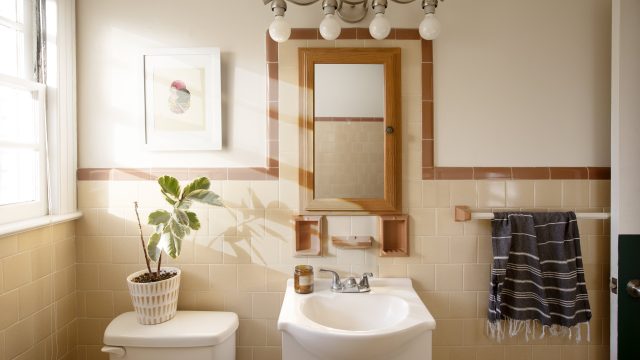
In recent years, vintage bathroom elements have made a significant resurgence in modern home renovations. Homeowners are increasingly appreciating the unique character that these features add to their spaces. From built-in hampers to clawfoot tubs, vintage items offer not just aesthetic value but practical benefits as well. This revival highlights a growing trend where consumers prioritize both functionality and style in their home designs, particularly in markets like Southeast Asia.
Functionality in Design
One of the primary reasons vintage bathroom features are back in demand is their inherent functionality. Many of these items, once deemed as mere relics, serve practical purposes in everyday life. For instance, a built-in hamper, common in vintage bathrooms, provides a designated space for laundry, keeping the environment tidy and organized. Similarly, vintage lighting fixtures and cabinetry can enhance the usability of the bathroom while adding a timeless charm.
The Practicality of Built-In Hampers
The built-in hamper is a feature that has stood the test of time. Originally designed for convenience, these hampers integrate seamlessly into the overall design of the bathroom. They not only save space but can also enhance bathroom organization. As homeowners become more mindful of clutter, features like this are becoming essential in contemporary designs.
Eco-Friendly Trends
Another appealing aspect of vintage features is their potential for sustainability. Older materials can often be repurposed or restored, minimizing waste and environmental impact. Homeowners are increasingly seeking materials and designs that reflect their commitment to sustainability. For example, reclaimed wood for cabinetry or antique fixtures can reduce the carbon footprint while adding a unique flair to the space.
The Market in Southeast Asia
The trend of incorporating vintage elements into modern bathroom designs is resonating strongly in Southeast Asia, particularly in bustling cities like Jakarta and Surabaya. As the Indonesian market continues to evolve, there is a noticeable shift toward embracing retro aesthetics. This shift is driven by a combination of cultural appreciation for heritage designs and a desire for unique, personalized spaces. The influence of social media also plays a role, as platforms showcase the beauty and charm of these features.
Trends in Bali and Beyond
In Bali, the trend is particularly evident in the rise of boutique hotels and spas that incorporate vintage designs into their facilities. These establishments use vintage elements not just for aesthetics but to create an experience that reflects both luxury and comfort. As tourism grows, so does the emphasis on unique offerings that highlight local culture and history.
Conclusion
The revival of vintage bathroom features signifies a larger trend in home design where practicality meets style. Homeowners are not only looking for aesthetic appeal but also functionality that enhances their daily lives. As the trend continues to gain momentum, especially in flourishing markets like Indonesia, we can expect to see more creative integrations of vintage elements in modern homes. This movement not only celebrates the beauty of the past but also encourages sustainable living practices, making it relevant in today's eco-conscious society.
 Unleashing Global Flavors: The
Sustainable Sourcing in Tea Ma
Transforming Global Trade: The
Innovative Beverage Solutions:
Unleashing Global Flavors: The
Sustainable Sourcing in Tea Ma
Transforming Global Trade: The
Innovative Beverage Solutions: