
Transform Your Space: The 60-Inch Rule for Home Decoration
Key Takeaways
- The 60-inch rule improves visual appeal by standardizing decor heights.
- Hanging art at eye level invites engagement and appreciation.
- This rule is adaptable for various art styles and room types.
- Embracing this guideline can make any room feel more cohesive.
- It's crucial for enhancing spaces in popular Southeast Asian markets.
Understanding the 60-Inch Rule
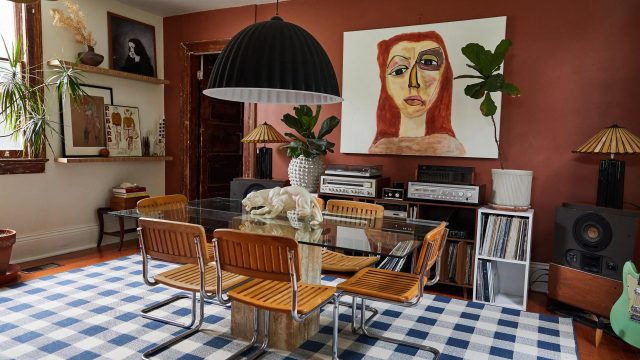
The 60-inch rule has gained traction among interior designers and home decorators alike. This simple yet effective guideline emphasizes that artwork should generally be hung at a height of 60 inches from the floor. This height aligns with the average eye level of most adults, making it an ideal point for displaying art, ensuring that it is easily appreciated by everyone who enters the room.
Why Height Matters
When art is hung too high or too low, it can disrupt the visual flow of a room, making it feel unbalanced. By adhering to the 60-inch rule, you create a harmonious environment where each piece blends seamlessly with its surroundings. This technique is especially relevant in vibrant markets like Indonesia, where interior design trends are constantly evolving.
Practical Tips for Applying the 60-Inch Rule
Applying the 60-inch rule in your home doesn't require professional design skills. Here are some practical tips on how to implement this rule effectively:
- Measure Carefully: Use a tape measure to find the correct height from the floor to the center of the artwork.
- Consider Room Function: In spaces like Jakarta's living rooms or Bali's open-air areas, think about how viewers will engage with the art.
- Group Art Strategically: For a collection, ensure the entire arrangement adheres to the 60-inch guideline, creating a unified look.
- Adjust for Furniture: If your artwork is above furniture, keep it 6-12 inches above to maintain visual separation.
Adapting the Rule to Various Spaces
The beauty of the 60-inch rule is its versatility. It can be tailored to suit different spaces, whether you’re decorating a cozy cafe in Surabaya or a chic apartment in Jakarta. Here’s how to adapt the rule:
Living Rooms
In living areas, consider the layout. For traditional sofas, the center of the artwork should be at the 60-inch mark, enhancing the room's comfort.
Bedrooms
In bedrooms, the 60-inch guideline can be adjusted slightly lower for bed frames, providing a calming ambiance while still being visually appealing.
Commercial Spaces
In commercial settings, like restaurants or galleries, using the 60-inch rule can create a welcoming atmosphere that encourages guests to engage with the decor.
Conclusion: Maximizing Decor Impact
Using the 60-inch rule is a straightforward yet powerful way to enhance your home’s interior. By hanging art and decor at eye level, you create an inviting space that captures attention and encourages appreciation. As this trend gains momentum across Southeast Asia, especially in Indonesia’s bustling cities, now is the time to reconsider your decorating strategy. This simple rule can transform any room into a stunning visual experience that reflects your personal style.
 Strategies for Sourcing Qualit
Understanding Market Dynamics
Top Trends in the Global Tea I
The Rising Global Demand for P
Strategies for Sourcing Qualit
Understanding Market Dynamics
Top Trends in the Global Tea I
The Rising Global Demand for P