
Reviving the Nostalgia of 90s Kitchen Tech Trends Today
Key Takeaways
- The 90s saw a unique blend of technology and home life.
- Nostalgia is driving a resurgence in retro kitchen decor.
- Landline phones are becoming collectible home items.
- Consumers are merging vintage styles with contemporary tech.
- This trend is particularly popular in Southeast Asia and Indonesia.
The 90s Tech Renaissance in Kitchen Spaces
The 1990s were an era defined by significant technological transformations that fundamentally shaped communication and lifestyle. Before smartphones became ubiquitous, household interactions relied heavily on landline telephones. Many households had a designated spot for these devices, often in the kitchen, making it the hub of family communication. This year, a notable revival of 90s kitchen technology is underway, with homeowners and designers increasingly looking to blend nostalgic elements with modern conveniences.
As we navigate through 2023, the appeal of retro technology is particularly pronounced in markets across Southeast Asia, such as Indonesia. Cities like Jakarta and Bali are witnessing a surge in interest towards 90s-inspired kitchen decor, as residents seek to recreate the warmth of family gatherings and shared moments.
The Allure of Vintage Kitchen Gadgets
In addition to landline phones, other kitchen gadgets from the 90s are also making a comeback. For instance, coffee makers, toaster ovens, and even microwave designs from that era are being reintroduced, appealing to consumers' desire for functional yet aesthetically pleasing appliances. These items not only serve their practical purposes but also evoke a sense of nostalgia, stirring memories of simpler times spent in the kitchen with family.
Incorporating Vintage Style into Modern Homes
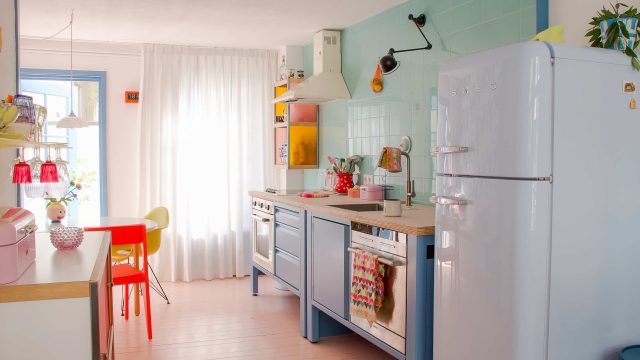
Homeowners are now increasingly integrating vintage elements into their modern designs. This trend isn't just about aesthetics; it's also about creating a comforting environment. Retro kitchen designs, often characterized by pastel colors and classic shapes, offer a delightful contrast to the sleek, minimalist styles that have dominated recent trends. By incorporating 90s tech into their homes, individuals are not just adopting a style but also a lifestyle that values connection and warmth.
Nostalgia Meets Modern Technology
What’s fascinating about this trend is how it's merging old and new technologies. Today’s home gadgets often feature smart technology that allows for enhanced functionality while retaining a vintage look. For instance, some manufacturers are creating smart fridges that echo the designs from the 90s but come equipped with modern features such as Wi-Fi connectivity and touch screens. This blend of styles is particularly appealing to millennials who desire the charm of their childhood but also require the conveniences of modern life.
Market Trends and Consumer Preferences
The surge in popularity of 90s kitchen technology can be largely attributed to changing consumer preferences. Many individuals in Indonesia and broader ASEAN countries are gravitating towards decor that not only reflects their heritage but also offers a unique storytelling element in their homes. The current trend is not just about rehashing the past but finding innovative ways to celebrate it while still enjoying the benefits of modern advancements.
Conclusion: Why This Trend Matters Now
The resurgence of 90s kitchen technology is not just a fleeting trend; it highlights a deeper societal yearning for connection and simpler times. As families continue to seek ways to bond over shared meals and experiences, these nostalgic elements become vital in creating those memories. This shift reflects a broader cultural movement towards valuing home life, connection, and personal stories in an increasingly fast-paced world. As we embrace these retro trends, we also welcome back the essence of family togetherness that defined so many homes in the past.
 Strategies for Sourcing Qualit
Understanding Market Dynamics
Top Trends in the Global Tea I
The Rising Global Demand for P
Strategies for Sourcing Qualit
Understanding Market Dynamics
Top Trends in the Global Tea I
The Rising Global Demand for P