
Exploring the Future of Design: Influential Creatives to Watch in 2026
Key Takeaways
- New designers are focusing on sustainable materials and practices.
- Technology integration in design enhances user experience.
- Personalized spaces reflect individual lifestyles and needs.
- Collaboration among creatives fosters innovation in the industry.
- These trends are shaping the future of home aesthetics and functionality.
The Driving Forces Behind 2026 Design Trends
As we look ahead to 2026, the design landscape is evolving rapidly, influenced by both technological advancements and a growing emphasis on sustainability. Designers are increasingly prioritizing eco-friendly materials, making conscious choices that minimize environmental impact.
One of the standout trends is the integration of technology in home design. Future spaces will likely incorporate smart home features that enhance daily living, from energy-efficient designs to automated systems that offer convenience and comfort. This focus on tech allows for a more interactive and customized living experience.
Moreover, personalized design is becoming essential. As homeowners seek to express their individuality, designers are adapting their approaches to create spaces that reflect unique lifestyles and preferences. This shift indicates a growing desire for homes to be not just functional but also deeply personal.
Spotlight on Emerging Design Talents
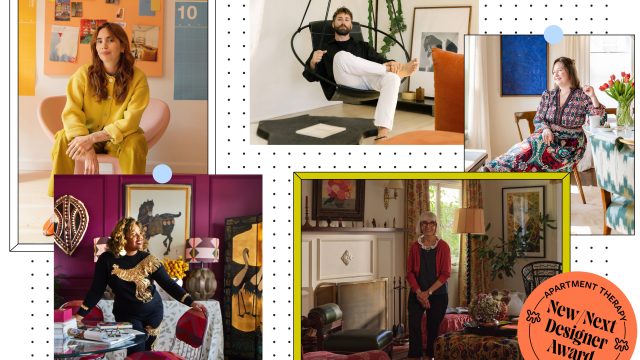
Several designers are currently leading the charge in innovative home design, setting trends that will be pivotal for the upcoming years. Here are a few notable figures to keep an eye on:
Innovators in Sustainable Design
Many of the top emerging designers are redefining sustainability in their work. They are utilizing recycled materials, energy-efficient solutions, and biophilic design principles to create harmonious living environments that maintain a connection to nature.
Tech-Savvy Creatives
Designers who are adept at using cutting-edge technology are creating compelling spaces where aesthetics and functionality meet. This includes everything from mood lighting that adjusts to a homeowner's needs to furniture that serves multiple purposes, making small spaces feel larger.
Global Influences in Local Design
The cross-pollination of ideas from various cultures, particularly in regions like Southeast Asia and Indonesia, is significantly influencing contemporary design. Designers from these areas bring fresh perspectives to aesthetics and functionality, promoting a global dialogue within the industry.
Why This Matters Now
As we approach 2026, these design trends are not merely aesthetic choices; they are responses to pressing global challenges such as climate change and urbanization. Understanding the evolving design landscape is crucial for anyone interested in home improvement, real estate, or lifestyle trends.
Additionally, the COVID-19 pandemic has shifted how people view their living spaces, with many seeking more adaptable environments that cater to both work and leisure. This immediate need for change makes it vital to acknowledge and support the emerging designers who are shaping the way we live.
Conclusion
The future of home design is being shaped by a new wave of innovators who prioritize sustainability, technology, and personalization. As we move closer to 2026, these designers will continue to influence the aesthetic and functional landscape of our living spaces. Keeping an eye on these emerging trends is essential for homeowners, industry professionals, and anyone invested in the evolution of home design.
 Mastering Pantry Organization:
 Sri Lanka's Investment in Ceyl
 Unlocking the Power of Smart H
Revamping the Tea Trade: How Q
Unlocking the Power of Smart H
Revamping the Tea Trade: How Q