
Transform Your Space: Top Home Trends to Watch in 2026
Key Takeaways
- 2026 will see a rise in sustainable materials in home construction.
- Multifunctional spaces are becoming essential in modern homes.
- Biophilic design enhances well-being through nature integration.
- Smart home technology continues to revolutionize everyday living.
- Personalized touch in decor is increasingly valued by homeowners.
The Rise of Sustainability in Home Design
As environmental awareness grows, homeowners are increasingly prioritizing sustainability in their design choices. In 2026, sustainable materials like recycled wood, bamboo, and low-VOC paints are expected to become mainstream. These materials not only reduce the carbon footprint but also promote healthier living spaces. With Southeast Asia leading the charge in eco-friendly initiatives, it is essential for the Indonesian market to adapt to these trends, especially in major cities like Jakarta and Surabaya.
Why Sustainability Matters Now
Climate change has become an urgent global issue. By embracing sustainable design, we can contribute to environmental preservation while also enhancing the aesthetics of our homes. The choice of materials significantly affects the overall impact of our living spaces, making sustainability not just a trend, but a necessity.
Embracing Multifunctional Spaces
The concept of multifunctional spaces is gaining traction, particularly in urban centers where space is often limited. As we move into 2026, expect to see homes designed to maximize utility without sacrificing style. This trend is particularly relevant in densely populated regions, where innovative solutions such as foldable furniture and adaptable rooms can transform how we live and work.
How to Create Multifunctional Spaces
To achieve a multifunctional home, consider the following tips:
- Invest in furniture that serves multiple purposes, such as a sofa bed.
- Design areas that can transition from work to relaxation, like a home office that doubles as a guest room.
- Incorporate storage solutions that keep spaces organized and clutter-free.
Biophilic Design: Bringing Nature Indoors
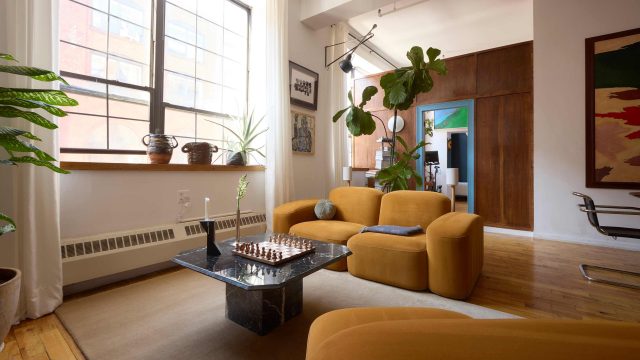
Biophilic design is set to dominate home trends in 2026, emphasizing the connection between nature and well-being. Incorporating natural elements into interior spaces—such as indoor plants, natural light, and organic materials—can significantly boost mood and productivity. This trend is crucial for individuals living in urban environments where access to nature is limited.
Benefits of Biophilic Design
Integrating nature into home design offers numerous advantages, including:
- Reduced stress levels and improved mental health.
- Enhanced creativity and focus.
- Greater overall satisfaction with living spaces.
The Role of Smart Home Technology
Smart home technology is revolutionizing how we interact with our living spaces. By 2026, innovations in AI and IoT will further enhance home automation, making everyday tasks more manageable. Features like smart lighting, climate control, and security systems are becoming standard, providing convenience and energy efficiency.
Adopting Smart Technology in Your Home
Here are several ways to incorporate smart technology into your home:
- Use smart thermostats to optimize energy use based on your schedule.
- Install smart security cameras for enhanced safety.
- Integrate voice-activated assistants to control various devices effortlessly.
Personalization: The Heart of Home Design
In a world where mass production is common, homeowners are increasingly seeking personalized touches in their decor. This trend of personalization allows individuals to express their unique styles and create spaces that resonate with their identities. As we head into 2026, bespoke furniture and handmade elements will gain popularity, especially in regions like Bali, known for its artisanal craftsmanship.
How to Personalize Your Home Decor
To add a personal touch to your space, consider:
- Incorporating local artwork or handcrafted items.
- Mixing and matching styles to reflect your personality.
- Utilizing family heirlooms as focal points of decor.
Conclusion
The home design trends of 2026 are poised to reflect a collective desire for sustainability, functionality, and personal expression. As the Indonesian market evolves, particularly in bustling cities, these trends will not only enhance living environments but also connect individuals to broader global issues, such as environmental sustainability and mental health awareness. Embracing these changes now can lead to a more fulfilling and harmonious living experience.
 Unleashing Global Flavors: The
Sustainable Sourcing in Tea Ma
Transforming Global Trade: The
Innovative Beverage Solutions:
Unleashing Global Flavors: The
Sustainable Sourcing in Tea Ma
Transforming Global Trade: The
Innovative Beverage Solutions: